Nutrition is the process of nourishing, especially the process by which a living organism assimilates food and uses it for growth and for replacement of tissues. For the body to be healthy it is important to have the right amount of nutrients.
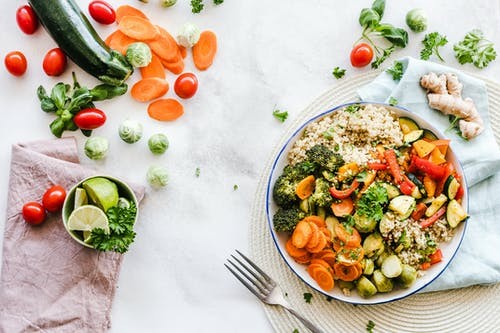
It is about eating healthy and a balanced diet. Food and Drinks what we have gives us nutrients. This helps to lead a healthy life.
A nutrient is a chemical that an organism needs to live and grow, it is a substance used in an organism’s metabolism
• To build and repair tissues,
• To regulate body processes and
• To provide energy for day to day activities.
Which includes organic nutrients ?
Organic nutrients includes carbohydrates, fats, proteins ( amino acids ), and vitamins, minerals, and water.
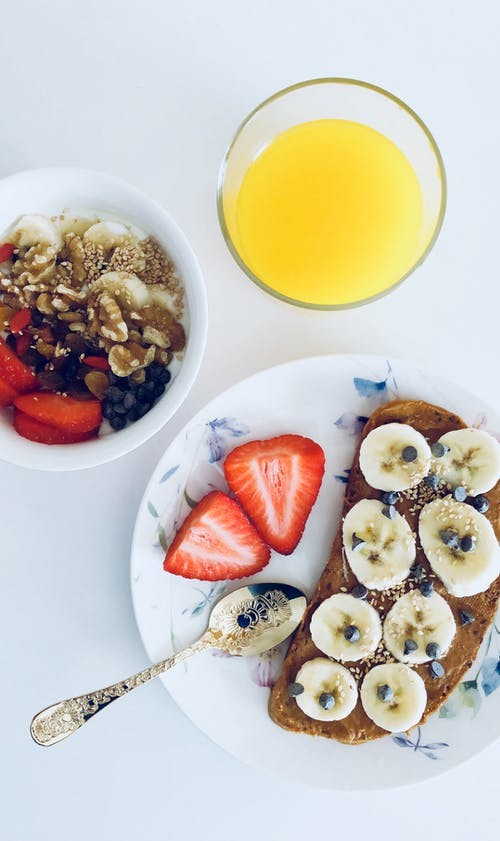
MACRO NUTRIENTS – It is big nutrients which includes carbohydrates, fats, and proteins.
MICRO NUTRIENTS – It is little nutrients which includes vitamins and minerals.
What is balanced diet ?
A balanced diet means choosing of wide variety of foods and drinks from all the food groups. It also means eating certain things in moderation, like saturated fat, trans fat, cholesterol, refined sugar and salt. The goal is to take in nutrients you need for health at the recommended levels. A balanced diet must contain carbohydrates, proteins, fats, vitamins, minerals and fiber.
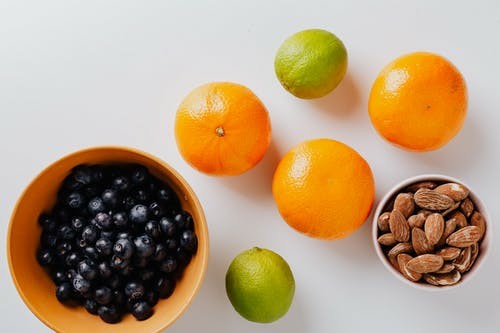
Good nourishment is necessary to develop a strong and healthy body.
How to get enough nutrients in vegetarian counterparts ?
Regardless of whether you are a vegetarian or non-vegetarian, it’s always a healthy idea to eat a wide variety of foods.
In addition to vitamins and minerals, vegetarians need to keep an eye on their total intake of calories and fat. Vegetarian diets tend to be high in fiber and low in fat and calories. That may help you to lose weight or lower the cholesterol but it can be a problem for kids or people who are alredy at a healthy weight.
Let we see the types of nutrition, its benefits amd sources.
1. IRON :
Benefits – Iron helps red blood cells carry oxygen to all the parts of the body. Symptoms of iron deficiency are anemia, including weakness and fatigue, lightheadedness and shortness of breath. Eating these foods along with food containing vitamin C will helps you to absorb the iron better. Girls need to be particularly concerned about getting adequate iron because some amount of iron is lost during menstruation.
Sources – Iron rich foods include red meat, pork, fish, shellfish, poultry, dal, beans and soy foods, green leafy vegetables, dates and raisins. Some flours, cereals and grain products are also fortified with iron.
2. CALCIUM :
Benefits – Calcium is important for building strong bones and teeth. The time to build strong bones is during childhood and the teen years, so it’s very important to get enough calcium now to fight against bone loss later in life. Weak bones are susceptible to a condition called OSTEOPOROSIS, which causes bones to break easily.
Remember that, as a youngster, you’re buiding your bones for the rest of your life. Women has a greater risk of getting osteoporosis as adults, so it’s important for girls to get enough calcium.
Sources – Milk and other dairy products such as curd, cheese, butter, paneer, yogurt, calcium fortified orange juice, green leafy vegetables, soy milk and dried figs.
3. PROTEIN :
Benefits – Proteins provide as much energy density as carbohydrates. It is made up of building blocks called amino acids.
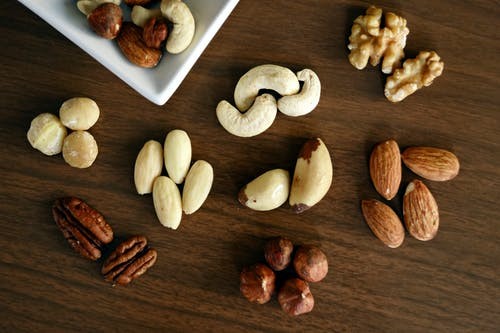
Sources – Dairy products are good sources of protein. Nuts, beans, soy milk, egg white, grains, cereals, and vegetables.
4. VITAMIN A :
Benefits – Vitamin A prevents eye problems, promotes a healthy immune system. It is essential for the growth and development of cells and keeps skin healthy.
Sources – Milk, cereals, eggs, liver, dark colored orange, green vegetables, carrots, sweet potatoes, pumpkin, orange fruits like peaches, papayas and mangoes.
5. VITAMIN B :
Benefits – Vitamin B helps to make red blood cells, and is important for nerve cell function. It is important for normal brain and nerve function. It also helps the body break down proteins and make red blood cells.
Sources – Fish, red meat, poultry, milk, cheese, and eggs. Potatoes, bananas, beans, seeds, nuts, spinach and cereals.
6. VITAMIN C :
Benefits – Vitamin C is needed to form collagen, a tissue that helps to hold cells together. It’s necessary for healthy bones, teeth, gums and blood vessels. It helps the body absorb iron and calcium, aids in wound healing and contributes to brain function.
Sources – High level of Vitamin C is found in red berries, kiwi, tomatoes, spinach, and juices made from guava and orange.
7. VITAMIN D :
Benefits – Vitamin D strengthens the bones because it helps the body absorb bone building calcium.
Sources – Your body manufactures when you get sunlight on your skin. Also get vitamin D in egg yolk, fish oils, and fortified foods like milk.
8. VITAMIN E :
Benefits – Vitamin E is an antioxidant and help protect cells from damage. It’s important for the health of red blood cells.
Sources – Vegetable oils and green leafy vegetables.
9. VITAMIN B12 :
Benefits – It helps to keep the body nerve cells and blood cells healthy and it makes DNA, the genetic material in all cells.
Sources – It is found in animal products, fortified soy milk, fortified breakfast cereals.
HAVE GOOD HEALTH
THATS WHAT YOUR WEALTH
 Get Healthy Tips